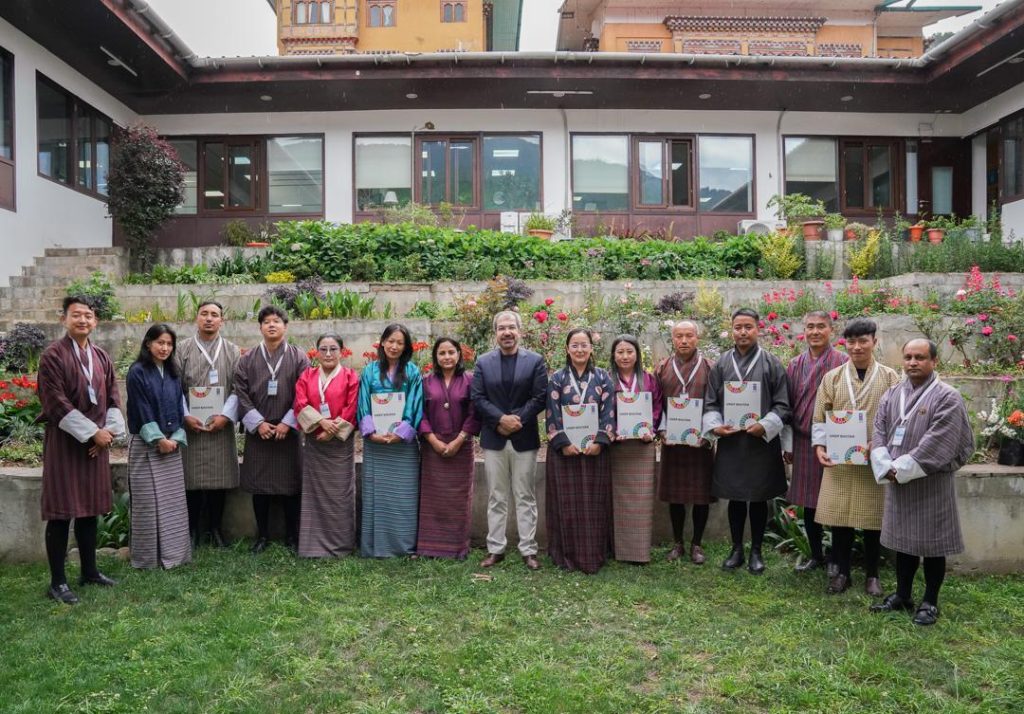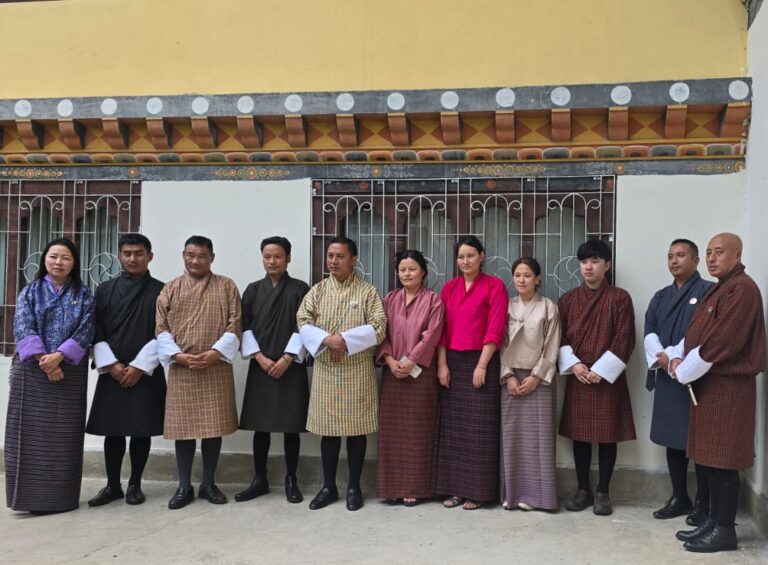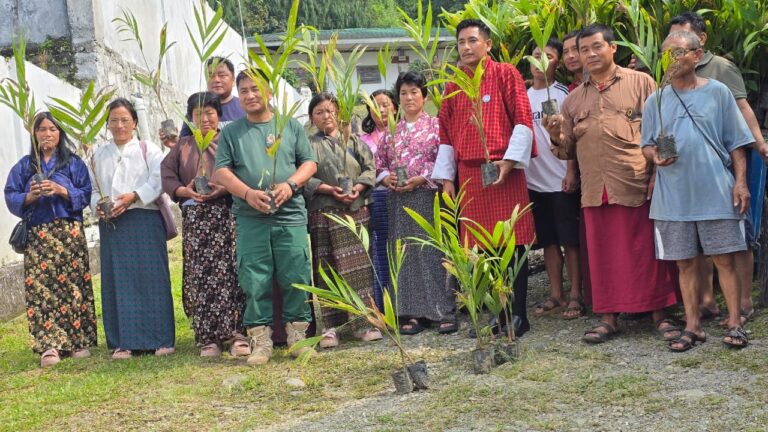
BES is recipient of the GEF-SGP COMDEKS Phase 4 grant for our new project: “Empowering Highland Communities: Clean Energy for Sustainable Livelihoods and Conservation in Merak and Sakteng.”
In partnership with the Department of Energy, Ministry of Energy & Natural Resources, this project will introduce clean and efficient cooking and heating technologies to reduce pressure on forests, lower carbon emissions, and promote sustainable livelihoods.
This initiative supports climate resilience and the socio-economic well-being of highland communities in the Sakteng Wildlife Sanctuary—securing a better, greener future.
Background
UNDP, GEF-Small Grants Program partner with CSOs, CBOs and the government to enhance resilience of remote, highland communities in the face of climate change.
Bhutan’s remote, highland communities, spread across its northern border, are increasingly feeling the impact of warming global temperatures. From fast-melting glaciers, magnifying the risk of glacial lake outburst floods, to biodiversity loss, growing human-wildlife conflict, declining livelihood opportunities, pastoral land degradation affecting livestock production, and more, climate change is impacting all aspects of their lives and livelihoods.
Stepping up efforts to enhance their resilience, two Civil Society Organisations (CSOs) and five Community-Based Organisations (CBOs) will work with the highland communities in Bumthang (Choekhor and Chumey), Gasa (Laya), Trashigang (Merak and Sakteng) and Thimphu (Soe) to not only address some of the most pressing climate-induced challenges but also introduce initiatives that will help combat climate change.
Backed by UNDP and GEF-Small Grants Programme (SGP) in partnership with the Royal Government of Bhutan and US$ 285,000 grant support from the Community Development and Knowledge Management for the Satoyama Initiative (COMDEKS) Phase 4, the projects are designed to enable highland communities to be at the front and centre of the interventions.
A unique global programme implemented by UNDP as the flagship of the International Partnership for the Satoyama Initiative, COMDEKS is designed to be community-driven and support local community activities to maintain and rebuild socio-ecological production landscapes and seascapes. Phase 4 is being funded by the Ministry of Environment, Japan, and the Keidanren Nature Conservation Council.